
Security is the backbone of every successful business. From protecting valuable assets and confidential documents to ensuring employee safety, a reliable locking system is essential for maintaining trust and operational stability. Over time, even the most durable commercial locks begin to show signs of wear, which can compromise your overall security. Recognizing when to invest in a commercial lock change can make the difference between a secure workspace and one vulnerable to unauthorized access. Whether you’re noticing key malfunctions, rusted hardware, or inconsistent locking mechanisms, these are all red flags that your system may need professional attention.
If you’ve started observing issues with your door hardware, key performance, or access control systems, scheduling a commercial lock change is a smart preventive measure. This guide will walk you through the top warning signs your locks need replacing, the potential risks of delaying maintenance, and how to choose a trustworthy locksmith to handle your commercial security needs.
Why Commercial Lock Change Is Essential for Every Business
Before diving into the warning signs, it’s crucial to understand why a commercial lock change is more than just routine maintenance. Businesses operate in a constantly changing environment where employee turnover, evolving technology, and physical wear all impact building security.
A professional commercial lock change ensures that:
-
Only authorized individuals have access to restricted areas.
-
Old, worn-out locks are replaced with high-security alternatives.
-
Compliance with insurance and fire safety standards is maintained.
-
The business remains protected against break-ins or internal theft.
Unlike residential locks, commercial-grade locks are designed to endure frequent use, heavy traffic, and advanced access control systems. However, even the best hardware can fail if neglected.
1. Difficulty Locking or Unlocking Doors
If you find yourself struggling to turn the key or if the door doesn’t close properly, this is one of the first red flags that your locks are deteriorating. Stiff keys, jammed cylinders, or misaligned latches can make access frustrating for employees and compromise the building’s security. Environmental factors like humidity, dust, and frequent use can cause internal parts to wear down. Over time, the lock mechanism may weaken, leaving your property vulnerable. A timely commercial lock change helps restore smooth operation and ensures all entry points function as intended.
2. Visible Wear and Tear on the Lock Hardware
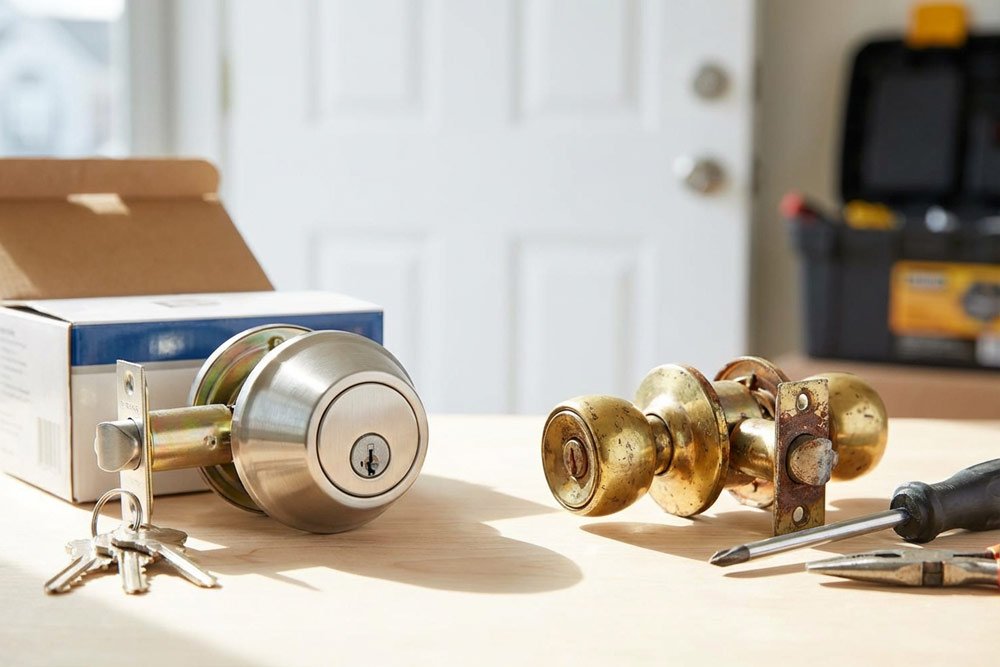
Commercial properties handle significantly higher foot traffic than residential buildings. Over the years, constant use can cause locks to rust, corrode, or lose their internal alignment. If you notice scratches, loose handles, or rusted surfaces, it’s a clear sign that replacement is overdue. A worn lock isn’t just an aesthetic issue; it signals structural weakness. Criminals often exploit these vulnerabilities because damaged locks are easier to pick or force open. Investing in a commercial lock change at the first sign of wear is a proactive way to maintain robust security.
3. Key Breaks or Gets Stuck Frequently
When keys begin sticking, jamming, or breaking inside the lock, it’s time to take action. This is often a sign of internal deterioration or buildup of debris within the locking mechanism. A stuck key can easily escalate into an emergency, especially if it happens after business hours or during operations. Instead of risking a costly lockout, schedule a professional commercial lock change to replace the failing unit. Modern locks offer smoother operation, better key control, and enhanced security features that can prevent future problems.
4. Lost or Unreturned Keys Require Immediate Commercial Lock Change
Employee turnover is a natural part of business, but every key that goes missing poses a potential security risk. Whether a staff member forgets to return a key or a set gets lost, unauthorized access becomes a serious concern. In these cases, rekeying may provide a temporary fix, but the safest option is a commercial lock change. Replacing the locks ensures full control over who can enter the premises, eliminating risks from old or duplicate keys. This step also helps businesses stay compliant with insurance and safety requirements.
5. Outdated Lock Technology
If your business still relies on traditional locks without advanced access control features, it may be time to upgrade. Older locks can be vulnerable to modern intrusion methods like bumping, picking, or digital bypassing. Today’s commercial locks include electronic keypads, smart card access, and biometric authentication that offer greater control and monitoring capabilities. Performing a commercial lock change allows you to modernize your system and keep pace with evolving security standards. The National Institute of Standards and Technology (NIST) recommends regular access system updates to reduce exposure to modern threats.
6. After a Break-In, Schedule a Commercial Lock Change Immediately
After any break-in or even an attempted intrusion, replacing your locks is non-negotiable. Even if there’s no visible damage, the internal components may have been tampered with or weakened. A commercial lock change following a security breach gives business owners peace of mind and prevents future incidents. It also provides an opportunity to upgrade to high-security lock systems, such as Grade 1 deadbolts or restricted keyways, which are far more resistant to forced entry.
7. Loose Door Handles or Wobbly Lock Mechanisms
If your door handle jiggles, feels loose, or moves more than it should, it may signal a failing lock mechanism. Over time, screws and internal components can loosen due to constant use or poor installation. Ignoring this issue increases the risk of a complete lock failure, leaving doors unable to close or secure properly. A professional commercial lock change will correct these problems, restore proper alignment, and reinforce the structural integrity of your door hardware.
8. Recent Relocation or Business Expansion
When a company moves to a new office, retail store, or warehouse, one of the priorities should be replacing all existing locks. You never know who might still have a copy of the old keys, including previous tenants, contractors, or cleaning crews. A commercial lock change ensures that your business starts fresh with full control over security access. It also allows you to standardize your locking system across multiple entrances for easier management.
9. Changes in Business Operations or Staffing
If your organization has undergone leadership changes, staff restructuring, or department relocations, your security protocols should evolve too. Outdated lock systems may no longer reflect current access needs or hierarchy levels. By investing in a commercial lock change, you can implement new key systems, set up master key hierarchies, or integrate access control solutions that fit your updated business model.
10. Non-Compliant Locks Demand a Commercial Lock Change
Building and fire safety regulations change periodically. Locks that once met code requirements might now be non-compliant, especially in high-traffic facilities like hospitals, schools, or offices. A commercial lock change helps ensure that your property complies with local building codes and ADA (Americans with Disabilities Act) standards. It also enhances evacuation safety, making it easier for occupants to exit quickly during emergencies.
11. You’ve Experienced Frequent Lockouts
If your employees often get locked out of certain areas or the main entrance, it could point to deeper mechanical issues within the locks. Over time, misaligned parts and worn cylinders can make locks unreliable, leading to costly disruptions. Instead of repeatedly calling for emergency locksmith services, it’s smarter and more cost-effective to schedule a commercial lock change that permanently solves the issue.
12. You Want to Upgrade to Keyless or Smart Entry Systems
Modern businesses are increasingly turning to keyless entry systems for improved convenience and control. These systems eliminate the need for physical keys, reducing the risk of loss or duplication. A commercial lock change allows you to install advanced smart locks that integrate with your building’s security network, track entry logs, and provide remote access management. These features are particularly beneficial for multi-site operations or facilities with varying access levels.
The Risks of Delaying a Commercial Lock Change
Ignoring deteriorating locks can have serious consequences for your business. Beyond the immediate inconvenience, weakened locks put your property, assets, and employees at risk. Common consequences of postponing a commercial lock change include:
-
Increased burglary risk: Old or damaged locks are easier targets for forced entry.
-
Operational downtime: Lockouts or key issues can halt business activities.
-
Higher long-term costs: Emergency repairs or damage from break-ins cost far more than proactive replacements.
-
Liability exposure: A preventable security breach can harm your company’s reputation and client trust.
The longer you wait, the higher the risk of security incidents. Prioritizing a lock replacement schedule helps maintain consistent protection.
Choosing the Right Locksmith for Commercial Lock Change Services
When selecting a locksmith for your business, it’s essential to work with a licensed, experienced professional who understands commercial-grade security systems. Consider these factors:
-
Experience with commercial properties – Not all locksmiths specialize in business locks. Look for providers familiar with access control, master key systems, and electronic locks.
-
24/7 availability – Emergencies can happen at any time. Choose a locksmith who offers round-the-clock services.
-
High-quality hardware – Ensure the locksmith uses ANSI Grade 1 or Grade 2 locks suitable for commercial use.
-
Reputation and reviews – Research client feedback to gauge reliability.
-
Compliance knowledge – The locksmith should be well-versed in fire, safety, and accessibility codes.
A trusted locksmith will assess your premises, identify potential vulnerabilities, and recommend a customized commercial lock change solution tailored to your operational needs.
How Often Should You Replace Your Commercial Locks?
While there’s no universal timeline, most commercial locks should be evaluated every 5 to 7 years. However, factors like usage frequency, environmental exposure, and technology advancements can shorten that lifespan. Schedule routine maintenance checks with your locksmith to assess the condition of your locks and plan replacements before they fail. Regular audits not only improve security but also minimize unexpected costs.
Final Thoughts: Secure Your Business with a Timely Commercial Lock Change
Your locks are the first line of defense against unauthorized access, theft, and operational disruption. Waiting for a problem to escalate can expose your business to unnecessary risks. Recognizing the warning signs early, such as difficulty locking, visible damage, or outdated technology, allows you to take proactive steps toward better protection.
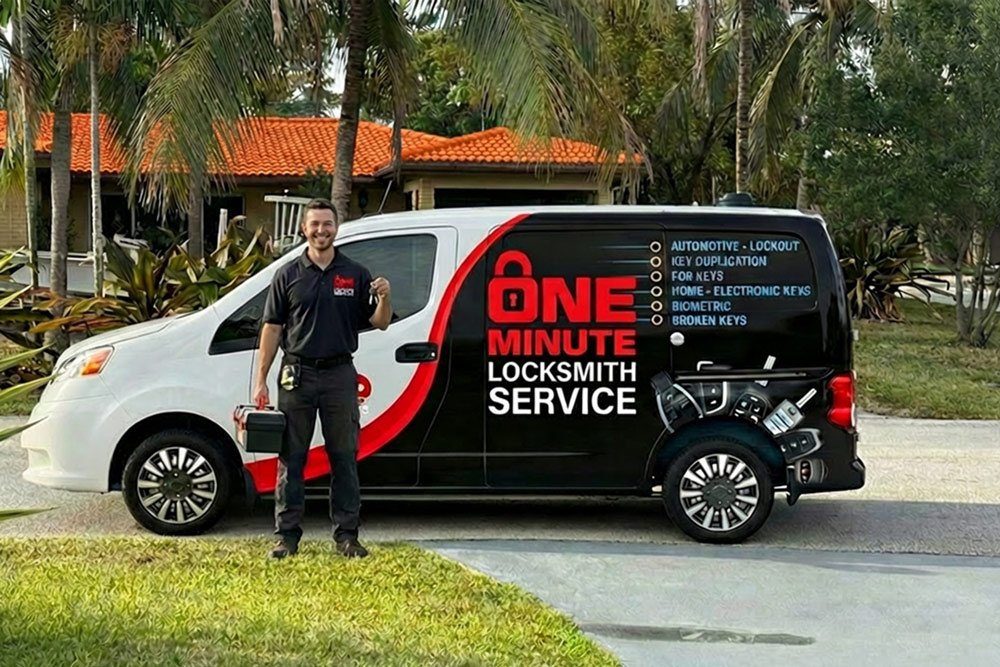
A professional commercial lock change not only restores security but also strengthens trust, compliance, and workplace safety. Investing in reliable lock replacement today means peace of mind tomorrow. When it comes to safeguarding your commercial property, never compromise on quality or timing. Partner with One Minute Locksmith today to deliver expert advice, durable hardware, and dependable service that keeps your business secure around the clock.