We’ve all been there, or at least, it feels like it. You’re rushing out the door for work, coffee in hand, only to realize halfway down the driveway that your keys are still inside, mocking you from the kitchen counter. Or perhaps you’re fumbling with your phone after a long day, entering the wrong password one too many times, and suddenly you’re staring at a locked screen that blocks access to your entire digital life. Being locked out is one of those universal frustrations that can strike anyone, anywhere, turning a routine moment into a potential crisis. But before you let panic set in, take a breath. There are quick, practical actions you can take to regain control.
This guide isn’t just about what to do when you’re locked out; it’s about how to shift your mindset before panic takes over. By taking deliberate, calm actions in the first few critical minutes, you can often resolve the situation faster, cheaper, and with far less stress. Consider this your pre-panic protocol as a step-by-step survival guide for the dreaded “locked out” scenario.
Why Panic is the Enemy (And What It Costs You)
Before diving into solutions, understand why staying calm is non-negotiable:
- Impaired Decision-Making: Panic floods your system with adrenaline, shutting down the rational, problem-solving part of your brain (the prefrontal cortex). You become prone to impulsive, illogical choices like trying to jimmy a window with a credit card (risking injury or damage) or paying an exorbitant “emergency” fee to the first locksmith who answers.
- Wasted Time: Frantic searching, pacing, or making multiple frantic calls without a plan eats up valuable minutes. A calm approach is methodical and efficient.
- Increased Costs: Panic makes you vulnerable to scams or overpriced emergency services. Locksmiths know lockouts are stressful; some unscrupulous ones exploit that desperation. Calmness allows you to research and compare options.
- Physical Risk: Desperate attempts to force entry (kicking doors, breaking windows) can lead to serious injury, like cuts, sprains, or worse. Calm assessment prevents reckless actions.
- Escalated Stress: Panic begets more panic. Taking control, even in small ways, immediately reduces the feeling of helplessness and lowers your overall stress level.
Locked Out? Follow This Pre-Panic Protocol For Your Immediate Action Plan
The moment you realize you’re locked out, STOP. Take one deep, slow breath. Now, follow these steps in order:
Step 1: Assess the Situation
Don’t assume the worst immediately. Gather facts calmly:
- Where are you locked out? Is it your primary residence? A vacation rental? Your car? An office? The location dictates your options and urgency. Being locked out of your house on a freezing night is different from being locked out of your car in a sunny parking lot.
- What exactly is the problem?
- Keys inside?
- Keys lost or stolen?
- Key broken in the lock?
- Dead key fob/battery?
- Lock malfunction?
- Wrong key?
- When did it happen? Is it 2 PM on a Tuesday, or 2 AM on a Sunday? The time of day affects locksmith availability and the potential for assistance from neighbors or building management.
- Who is with you? Are you alone? Is a child or a pet locked inside? (This drastically increases urgency and may require immediate emergency services if safety is compromised.)
Step 2: Conduct a Thorough Self-Check Before Calling for Locked-Out Help
Before calling anyone, exhaust all possibilities that might get you back in without external help or cost. Be methodical:
- The “Spare Key” Sweep: This is the top priority.
- On You: Check every pocket, bag, backpack, purse, and wallet compartment. Retrace your steps mentally. Did you hand them to someone else earlier?
- Hidden Spots: Do you have a trusted neighbor, family member, or friend who holds a spare? Call them immediately. Is there a secure, hidden spot outside? (Under a specific rock, in a fake sprinkler head, a magnetic box on a pipe. Avoid obvious spots like under the doormat; thieves know those!
- Vehicle: If locked out of your house, check your car (if accessible). Sometimes spare house keys are kept there. If locked out of your car, check if you have a spare fob or mechanical key hidden elsewhere
- Alternative Entry Points (Use Extreme Caution):
- Windows: Are any ground-floor windows unlocked? Do NOT force them. Gently check if any are slightly ajar or have a faulty latch that you can carefully manipulate without breaking glass or damaging the frame. If it requires significant force, STOP. Forcing it risks injury, damage, and potential security system triggers. This is generally not recommended unless it’s a known, easily accessible window you routinely use.
- Garage: Is the garage door opener in your car? If you’re locked out of the house but in the garage, can you get into the house from the garage interior door? Is the garage door manual release accessible from outside?
- Basement/Other Doors: Check all possible entry points calmly. Don’t overlook a side door or patio door.
- Technology Check:
- Smart Locks: Do you have a smart lock? Open the associated app on your phone. Can you unlock it remotely? Is your phone charged? Is your home Wi-Fi working? (Smart locks often need a hub connected to Wi-Fi.) Do you have a backup method like a keypad code or physical key override?
- Car Key Fobs: If your car fob isn’t working:
- Try replacing the battery.
- Many modern cars have a hidden mechanical key inside the fob. Find the release button and use it on the door’s physical keyhole (often hidden under a cap on the door handle).
- Some cars allow you to start the car by placing the dead fob near the start button (check your manual).
- Use the manufacturer’s app (e.g., myChevrolet, FordPass, BMW ConnectedDrive) if you have it set up; many offer remote unlock features.
- Phone: Ensure your phone is charged! This is your lifeline. If the battery is low, conserve power.
Step 3: Leverage Your Immediate Network (The “Who Can Help Right Now?” Phase)
If self-check fails, your next best resource is people close by:
- Trusted Neighbors: Do you have a good relationship with neighbors? Knock on their door. Explain you’re locked out and ask if they’ve seen your spare key or if they can let you use their phone/internet while you figure it out. They might even offer temporary shelter if it’s extreme weather.
- Family/Household Members: Call anyone who lives with you or has a key. Can they come home? Do they have a spare you forgot about?
- Building Management (Apartments/Condos): If you live in a managed building, call the front desk or superintendent immediately. Many buildings have master keys or procedures for resident lockouts, often for a small fee or sometimes free during business hours. Know this number before you need it!
- Friends Nearby: Is a friend just a few minutes away who has a spare key? Call them.
Why this step is crucial before calling a locksmith: It’s free or low-cost, builds community goodwill, and avoids unnecessary service calls. A locksmith should be your next step, not your first panicked call.
Step 4: Evaluate Safety and Urgency
Before proceeding to professional help, honestly assess:
- Is anyone (or any pet) in immediate danger inside? Extreme heat, cold, medical condition, or a small child alone? If YES, call emergency services (911 or your local equivalent) immediately. Explain the situation clearly: “I am locked out of my residence and my [child/pet/elderly parent with condition X] is trapped inside in [dangerous condition].” They have protocols and tools to gain entry quickly in true emergencies.
- Is your property secure? If keys are lost or stolen, your security is compromised. This changes the priority from simple entry to securing your property. You’ll likely need to rekey or replace locks ASAP, not just get back in. Inform the locksmith of this.
- What are the environmental conditions? Are you stranded in freezing rain or scorching heat? This might justify paying a premium for faster service, but still, get quotes first.
Step 5: Research & Contact a Reputable Locksmith (The Right Way)
This is where panic leads to the biggest mistakes. Many local locksmiths are actually brokers who dispatch non-professional technicians
How to Find a Real, Reputable Locksmith:
- Ask for Recommendations: Call your neighbors, building manager, or friends right now. “Hey, I’m locked out. Do you know a good, honest locksmith you’ve used before?” Personal referrals are gold.
- Check Credentials (If Time Allows):
- Business Name & Address: Do they have a verifiable local business address (not just a P.O. Box)? Search the business name online.
- Reviews: Check Google Reviews, Yelp, or the Better Business Bureau (BBB). Look for consistent positive feedback over time, not just a sudden burst of 5 stars. Pay attention to comments about pricing transparency.
- Get a Clear, Upfront Quote OVER THE PHONE:
- Describe the exact situation: “I’m locked out of my single-family home, standard deadbolt and knob lock, keys inside, no damage.”
- Ask for the TOTAL cost: “What is the total cost to unlock my door, including any service call fee, labor, and potential mileage?” Insist on a firm price before they dispatch.
- Ask about potential extras: “Is there any circumstance where the price could be higher than what you just quoted?” (e.g., if the lock is jammed, requires drilling, etc.). A reputable locksmith will explain potential variables but give a clear base price.
- Verify Identity Upon Arrival:
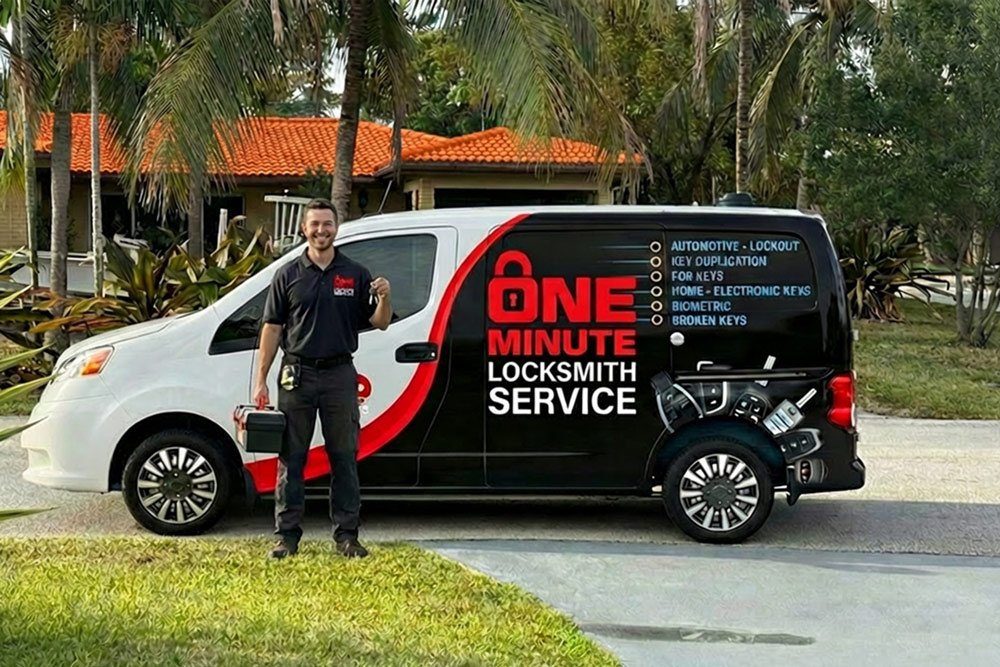
- A legitimate locksmith will arrive in a clearly marked vehicle with the business name and logo.
- They should present a photo ID
- Get a detailed invoice with the business name and a breakdown of charges.
What to Expect from a Professional Locksmith:
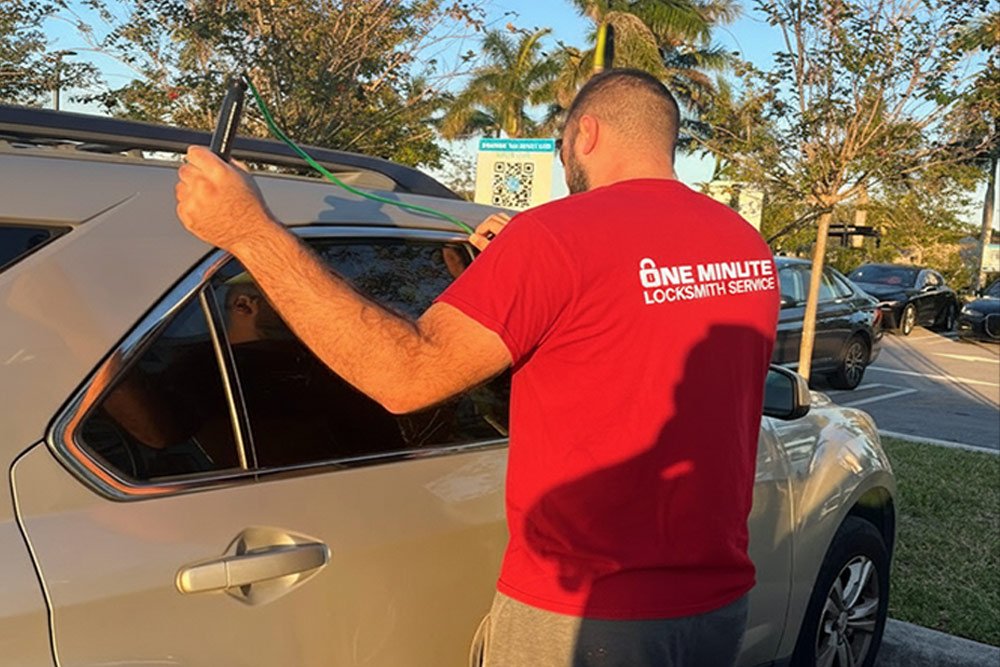
- Non-Destructive Entry: A skilled locksmith will almost always use techniques (like lock picking or using specialized tools like “shims” for certain knob locks) to open your door without damaging the lock or door. Drilling is a last resort for damaged or high-security locks.
- Time: A standard residential lockout usually takes 10-20 minutes for a competent pro.
- Cost: Fair pricing varies by location but typically ranges from $75 to $150 for a standard non-emergency residential lockout during business hours. Emergency/after-hours fees (e.g., late night, holidays) are common but should be disclosed upfront.
Step 6: While You Wait (Staying Safe and Sane)
If you’ve called a locksmith and are waiting:
- Stay Visible & Safe: Wait near your property, but not in a way that looks suspicious. If it’s dark or unsafe, wait in your car (if accessible) or at a neighbor’s.
- Conserve Phone Battery: Put your phone on low power mode. Only use it for essential calls/texts.
- Hydrate/Snack: If you have water or a snack in your bag/car, have it. Stress dehydrates you.
- Mental Distraction: Listen to calming music or a podcast through headphones. Practice deep breathing again. Remind yourself: “This is temporary. Help is coming. I handled this calmly.
Special Scenarios: Locked Out of Your Car and What to Do Next
The principles are similar, but with car-specific nuances:
- Triple-Check: Pockets, under seats, glove compartment (for spare key/fob), center console. Retrace steps.
- Spare Key/Fob: Do you have a spare? Is it at home? Can someone bring it? Many dealerships can provide emergency access or even cut a new key if you have proof of ownership (registration, ID).
- Roadside Assistance: This is often the BEST first call! If you have a trusted locksmith service through your insurance or credit card, call them first. They often provide free or low-cost lockout service as part of your membership. They use trained professionals and cover the cost.
- Dealership: If it’s a newer car with complex keys/fobs, the dealership might be necessary, but it’s usually the most expensive option. Call only if roadside assistance isn’t available.
- Avoid “Pop-a-Lock” Type Services Unless Vetted: While some are reputable, others can be hit-or-miss. Roadside assistance is generally safer and cheaper if you have it.
Prevention Tips: How to Avoid Getting Locked Out Again
The best lockout solution is prevention. Implement these strategies now, while you’re not stressed:
- The Spare Key System:
- Give a spare to 2-3 TRUSTED people: Neighbors, family, close friends. Ensure they know it’s for emergencies only.
- Use a Secure Key Safe: Install a high-quality, bolted-down outdoor key safe (like a Supra or Kidde) with a combination lock. Never use cheap, easily smashed plastic boxes. Choose a non-obvious location. Share the combo only with trusted individuals.
- Keep a Spare in Your Wallet/Purse: A small, flat “jacket key” copy of your main house key can be a lifesaver. Get one made specifically for this.
- Embrace Smart Technology (Wisely):
- Smart Locks: Invest in a reputable smart lock with multiple access methods: app, keypad code, physical key override, and ideally, remote access via Wi-Fi. Crucially, ensure you have a reliable backup method (like the physical key) in case the smart features fail or your phone dies. Don’t rely solely on the app.
- Car App Integration: Set up your car manufacturer’s app and ensure it works. Know how to use the mechanical key hidden in your fob.
- Know Your Resources:
- Save your building manager’s number in your phone.
- Research and save 1-2 reputable local locksmiths now. Program their number into your contacts with their business name
- Know your roadside assistance number and what it covers.
- For Frequent Travelers:
- Take a photo of your hotel room keycard (if it has a number) or note the room number immediately upon check-in.
- Keep a spare set of essential keys (house, car) in your checked luggage (if safe to do so) or with a trusted person at home.
- Know the hotel’s front desk number and lockout policy.
Conclusion: Stay Calm, and Know What to Do When Locked Out
No one plans to get locked out, but it’s a situation that can happen to anyone. The key to handling it is staying calm, thinking clearly, and knowing your options. With today’s combination of professional locksmith services, smart technology, and simple preventive habits, you can minimize both the stress and the likelihood of future lockouts.
If you ever find yourself locked out in South Florida, reach out to One Minute Locksmith Services. Our team of professionals provides 24/7 assistance for homes, vehicles, and businesses, ensuring fast and damage-free entry when you need it most.