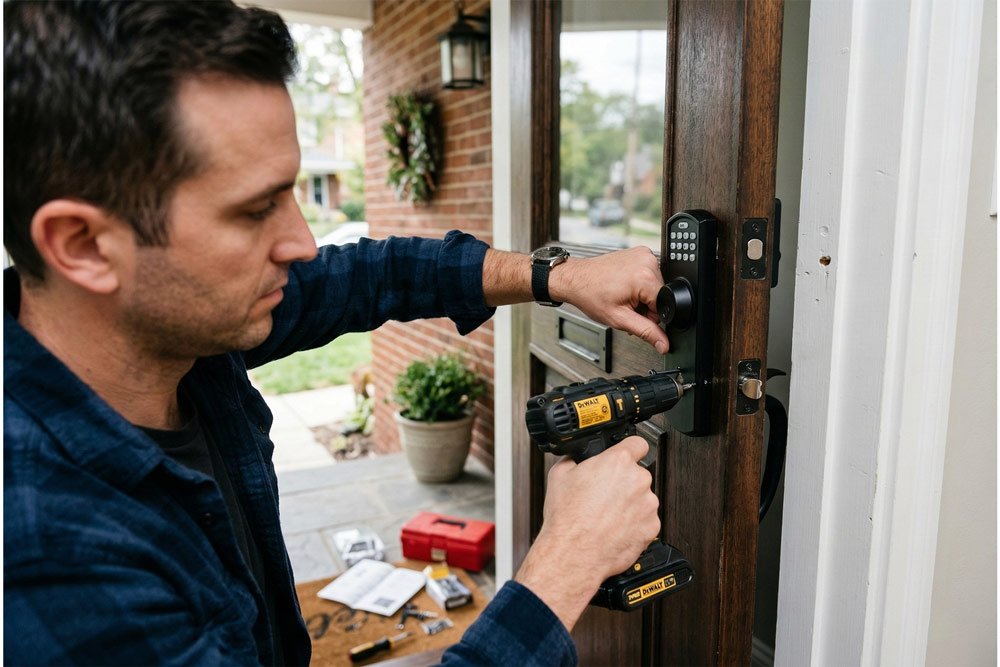
In today’s world, many homeowners like to save money and take matters into their own hands. With countless online tutorials and “easy-to-follow” guides, installing a lock yourself may seem straightforward. But is DIY lock installation really safe? While it can appear simple on the surface, there are hidden risks that could compromise your home’s security, cost you more in the long run, and even lead to potential legal problems.
In this comprehensive guide, we’ll explore the dangers of DIY lock installation, weigh the pros and cons, and provide alternatives for keeping your home safe.
Understanding DIY Lock Installation
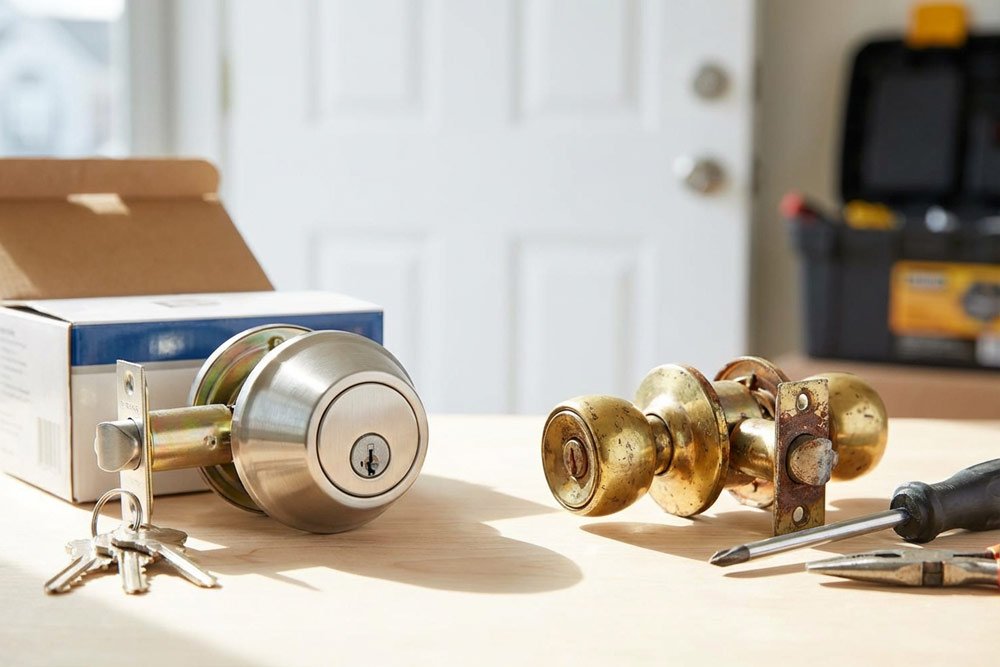
DIY lock installation refers to the process of installing, replacing, or upgrading locks on doors without professional help. This can include:
-
Deadbolts
-
Knob locks
-
Lever locks
-
Smart locks
-
Padlocks (for gates or sheds)
While many homeowners believe that installing a lock is just about drilling and screwing, there’s much more to consider. Proper alignment, the quality of materials, and compatibility with your door and frame are critical for a lock to function effectively.
Why People Choose DIY Lock Installation
Before diving into the risks, it’s important to understand why DIY lock installation is appealing.
-
Cost Savings: Professional locksmith services can be expensive. Many homeowners see DIY as a way to save money.
-
Convenience: You don’t have to schedule an appointment or wait for a professional.
-
Satisfaction: Installing a lock yourself can give a sense of accomplishment and control over your home’s security.
-
Quick Fixes: In emergencies, such as a broken lock or lost key, a DIY approach may seem like the fastest solution.
However, these perceived benefits often come at a hidden cost.
Hidden Risks of DIY Lock Installation
Even if you follow a step-by-step guide, DIY lock installation carries several risks that many homeowners overlook.
1. Improper Alignment
Lock installation is not just about placing a lock on a door. The alignment between the lock, strike plate, and door frame is crucial. Poor alignment can lead to:
-
Locks jamming frequently
-
Difficulty turning the key
-
Reduced durability and lifespan of the lock
A misaligned deadbolt, for instance, may not fully engage, leaving your home vulnerable to break-ins.
2. Weak Door or Frame
Many DIY enthusiasts assume that the lock itself is the only security factor. In reality, the strength of your door and frame is equally important.
-
Hollow doors or weak frames can be easily compromised, even with a high-quality lock.
-
Professional locksmiths often reinforce the frame or use longer screws to increase security, something DIY installations often skip.
3. Compromised Security
Not all locks are created equal, and installing a subpar lock improperly can make your home more vulnerable:
-
Cheap locks can be picked or broken easily
-
Incorrectly installed locks may not meet safety standards
-
Smart locks without proper wiring or setup can malfunction, leaving doors unsecured
DIY installations often overlook these nuanced security concerns, putting your home at risk.
4. Warranty Issues
Many lock manufacturers require professional installation for their warranties to remain valid. DIY lock installation could void:
-
Manufacturer warranties
-
Insurance claims if a break-in occurs
-
Protection on smart lock software updates
Failing to follow these requirements could end up costing far more than the initial installation fee.
5. Potential Legal Problems
In some rental or commercial properties, DIY lock installation can be illegal or against lease agreements. Improper installation could result in:
-
Lease violations
-
Fines or penalties
-
Liability issues if someone gets locked out or injured
A professional locksmith is trained to comply with all local building codes and legal standards.
Common Mistakes in DIY Lock Installation
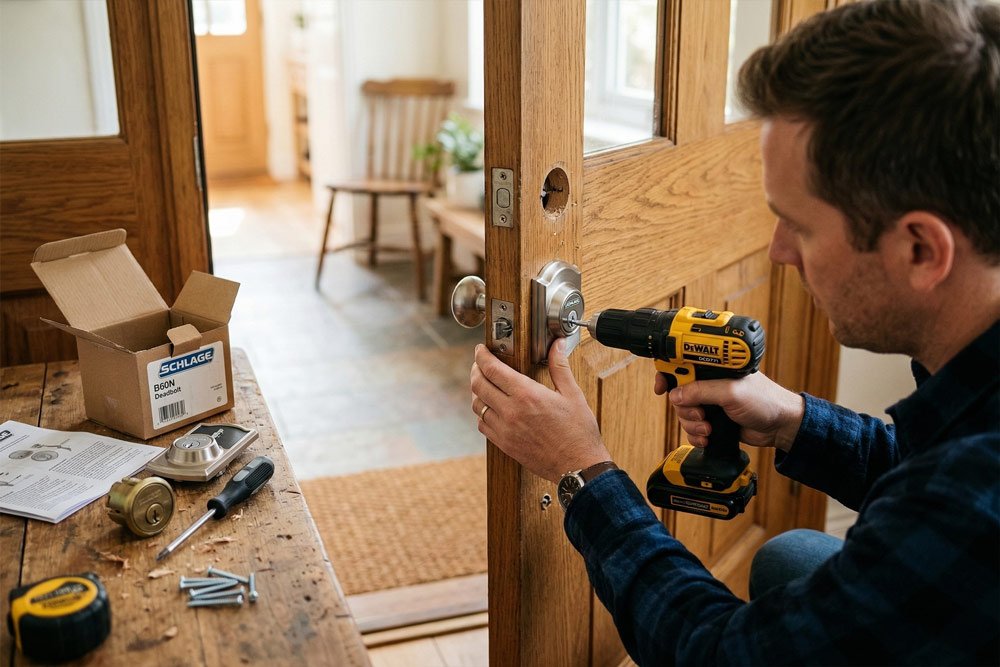
Even experienced DIYers can make mistakes. Some of the most frequent errors include:
-
Drilling holes in the wrong spot
-
Using the wrong type of screws or hardware
-
Over-tightening or under-tightening the lock
-
Ignoring the door’s natural expansion or contraction
-
Skipping reinforcement for deadbolts
These mistakes may not only reduce security but also damage the door, leading to costly repairs.
Evaluating the Cost of DIY vs Professional Installation
While DIY lock installation may save money upfront, hidden costs often outweigh the benefits:
| Factor | DIY Installation | Professional Locksmith |
|---|---|---|
| Cost | Low upfront, potential high repair cost | Moderate upfront, guaranteed work |
| Security | Risk of weak installation | High, with proper alignment and reinforcements |
| Time | May take hours or days | Typically 30–60 minutes per lock |
| Warranty | Often voided | Maintained |
| Peace of Mind | Limited | Full confidence in security |
When you factor in long-term security, peace of mind, and potential insurance compliance, professional installation is often the smarter choice.
When DIY Lock Installation Might Be Safe
There are a few situations where DIY installation is reasonable:
-
Simple Lock Replacements: If you are replacing a basic knob lock on an interior door, DIY may suffice.
-
Temporary Security Solutions: Adding a temporary padlock to a gate or storage unit can be done safely without professional help.
-
Strong DIY Skills and Tools: Experienced DIYers with proper tools and knowledge of lock mechanisms may successfully install a lock.
Even in these cases, caution and careful reading of manufacturer instructions are crucial.
Tips for Safer DIY Lock Installation
If you decide to tackle DIY lock installation, here are ways to reduce risk:
-
Read the Instructions Carefully: Manufacturers provide step-by-step guides for a reason. Follow them to the letter.
-
Use Quality Hardware: Don’t skimp on locks, screws, or strike plates. A cheap lock is only as strong as its weakest point.
-
Check Alignment: Test the lock multiple times before completing installation to ensure smooth operation.
-
Reinforce the Door and Frame: Use longer screws or reinforcement plates to secure deadbolts.
-
Consult Tutorials with Caution: Videos or blogs may skip critical steps; cross-reference multiple sources.
-
Test Security: After installation, check the lock for durability, ease of use, and overall security.
The Tools Required for DIY Lock Installation
Many homeowners underestimate the tools needed for proper DIY lock installation. While a basic screwdriver might seem enough, installing locks properly often requires several specialized tools.
Typical tools include:
-
Power drill
-
Hole saw kit
-
Chisel
-
Measuring tape
-
Level
-
Screwdrivers
-
Strike plate template
Without the right tools, homeowners often improvise, which can lead to inaccurate drilling or damaged doors. Professional locksmiths use specialized equipment designed specifically for lock installation, ensuring precision and preventing structural damage to doors and frames.
Another overlooked factor is measuring accuracy. Even a small measurement mistake can prevent a deadbolt from lining up correctly with the strike plate. When this happens, the lock may appear functional but fail to provide real security.
Alternatives to DIY Lock Installation
For homeowners concerned about cost or time, there are alternatives:
1. Professional Locksmith Services
-
Quick, efficient, and secure installation
-
Expert knowledge on lock types and security upgrades
-
Full warranty and insurance compliance
2. Hybrid Approach
-
Hire a locksmith to install the lock but do preparatory work like measuring or drilling holes.
-
This reduces costs while maintaining safety.
3. Smart Locks with Easy Installation
-
Some smart locks are designed for homeowners with little technical knowledge
-
Follow manufacturer guidelines carefully for proper security
How Professional Locksmiths Ensure Proper Installation
Professional locksmiths follow a detailed process to ensure locks are installed correctly and securely. Their approach goes far beyond basic DIY lock installation methods.
A professional installation typically includes:
-
Evaluating the door and frame structure
-
Selecting the appropriate lock type
-
Precisely measuring and drilling holes
-
Reinforcing the strike plate and frame
-
Testing lock alignment and functionality
-
Providing maintenance recommendations
This process ensures that the lock operates smoothly while offering maximum protection for the home.
The Bottom Line on DIY Lock Installation
While DIY lock installation can seem appealing for homeowners looking to save money, it often introduces risks that compromise security. Misaligned locks, weak strike plates, poor door compatibility, and digital setup errors can all create vulnerabilities.
In many cases, the money saved through DIY installation is outweighed by repair costs, security risks, or insurance complications. For critical entry points like front doors, back doors, and garage access doors, professional locksmith installation provides a level of reliability that DIY projects rarely match.
Home security is not an area where shortcuts should be taken. Investing in proper lock installation helps ensure that your doors remain a strong line of defense for your home and family.
Real-Life Consequences of DIY Lock Failures
Numerous incidents demonstrate the dangers of DIY lock installation:
-
A homeowner in Texas installed a cheap deadbolt incorrectly, leaving the door unsecured. A break-in occurred, and the insurance company denied the claim due to DIY installation.
-
In New York, a DIY smart lock installation caused the door to jam, trapping residents inside during a minor emergency.
These examples highlight that even well-intentioned DIY efforts can have serious consequences.
FAQs About DIY Lock Installation
Q: Can I install a deadbolt myself safely?
A: For interior doors or non-critical areas, yes. For exterior doors or high-security areas, professional installation is recommended.
Q: Are smart locks safe to install on my own?
A: Only if you carefully follow instructions. Improper installation can cause malfunctions or security vulnerabilities.
Q: Will DIY lock installation affect my home insurance?
A: Some policies require professionally installed locks. DIY installations may void coverage in case of break-ins.
Q: How much does professional lock installation cost?
A: Prices vary, but most locksmiths charge between $80–$200 per lock, including parts and labor.
Final Thoughts: Is DIY Lock Installation Worth the Risk?
While DIY projects can be satisfying and cost-effective, DIY lock installation carries hidden risks that are often underestimated. Poor alignment, weak doors, compromised security, and legal or warranty issues make professional installation the safer choice for most homeowners.
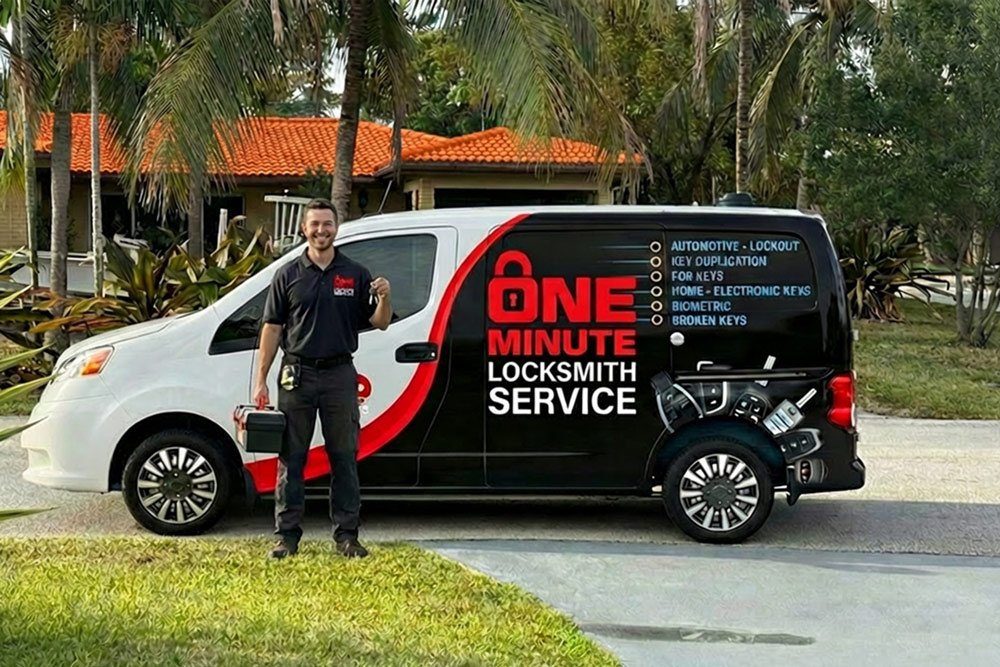
For simple, low-risk locks on interior doors, DIY may work, but for main entry points, commercial spaces, or high-security areas, professional locksmiths provide expertise, peace of mind, and long-term security that DIY cannot match. Contact One Minute Locksmith Services today to schedule a professional lock installation and enjoy the peace of mind that comes with knowing your property is properly secured. Remember, your home’s security is only as strong as your weakest link. Cutting corners on locks could mean risking not just property but personal safety.