When you’re locked out of your home, office, or vehicle, the clock starts ticking, and every minute feels critical. In emergencies like these, the speed of service is just as important as the quality. This is where locksmith response time becomes a crucial factor to consider. But what exactly is locksmith response time, what affects it, and how can you ensure that help reaches you as fast as possible? This comprehensive guide explores everything you need to know.
What Is Locksmith Response Time?
Locksmith response time refers to the period it takes for a locksmith to arrive at your location after you call for assistance. It is a critical measure for emergency locksmith services because it directly impacts your safety, security, and convenience. A fast response time ensures that you are not stranded for long, while delays can escalate stress and potential risks.
Typically, a reliable locksmith company will provide an estimated response time when you call. Most professional locksmiths aim to reach customers within 15 to 30 minutes for urgent situations. However, actual response times can vary depending on location, traffic, time of day, and service demand.
Why Locksmith Response Time Matters in Emergencies
1. Safety and Security
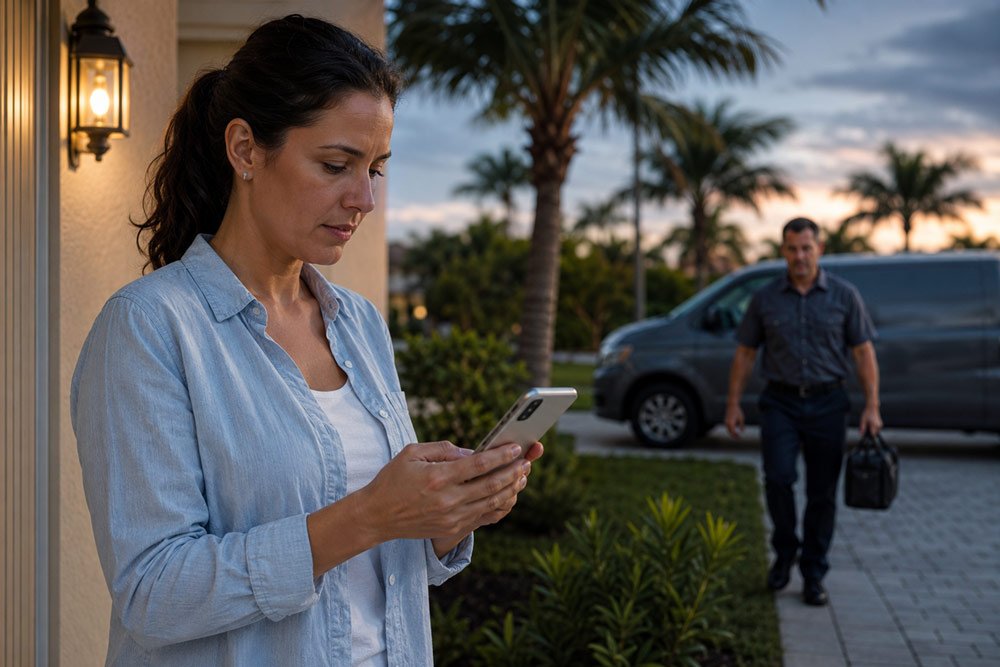
Being locked out of your home or car isn’t just an inconvenience; it can also be a safety risk. Imagine being locked out late at night in an unfamiliar neighborhood. A quick locksmith response time ensures you regain access safely and avoid potential threats or hazards.
2. Emergency Situations
Emergencies aren’t limited to lockouts. They can include broken locks, malfunctioning security systems, or lost keys. The faster a locksmith can respond, the less likely you are to experience further damage or theft.
3. Reducing Stress and Inconvenience
Long waits can be frustrating and stressful. A fast locksmith response time provides peace of mind, allowing you to return to your daily routine without unnecessary delays.
Factors That Affect Locksmith Response Time
Several variables can impact how quickly a locksmith can reach you. Understanding these can help you set realistic expectations and make informed choices when selecting a locksmith service.
1. Location
Your distance from the locksmith’s service area is one of the most significant factors. Urban areas usually have multiple locksmiths nearby, enabling faster response times. In contrast, rural or suburban areas may experience longer wait times due to fewer available professionals.
2. Time of Day
Locksmith response time can vary depending on the time you call. During peak hours or late at night, fewer locksmiths may be available, which can increase wait times. Conversely, emergency locksmiths often operate 24/7 and prioritize urgent requests to minimize delays.
3. Traffic, Weather, and Delays in Locksmith Response Time
Even a locksmith just a few miles away may face delays if traffic is heavy, roads are under construction, or weather conditions are poor. Some locksmith companies use GPS tracking to optimize routes and reduce response times.
4. Type of Service Needed
Certain locksmith services may take longer to dispatch. For example, repairing a commercial security system might require specialized tools or equipment that are not immediately available, whereas a simple lockout service may be quicker.
5. Availability of Technicians
A locksmith company with a large, well-distributed team can respond faster than one with limited staff. During busy periods, having multiple technicians ready to deploy can significantly improve response times.
Average Locksmith Response Time for Emergency Services
Response times can vary widely, but here’s a general overview of what to expect:
-
Locksmith Response Time for Residential Lockouts: 15–30 minutes
-
Automotive Locksmith Response Time for Car Lockouts: 20–40 minutes
-
Commercial Locksmith Response Time Expectations: 30–60 minutes
-
Lock Repairs or Replacements: 30–60 minutes, depending on complexity
Some premium locksmith services advertise a 15-minute response guarantee for emergencies, but this often depends on proximity and traffic conditions.
How to Get Faster Locksmith Response Time
There are several strategies homeowners and vehicle owners can use to ensure a fast response in emergencies.
1. Choose a Local Locksmith for Faster Response Time
Local locksmiths have shorter travel distances, which significantly improves locksmith response time. When selecting a locksmith, look for one with a physical presence near your neighborhood.
2. Check 24/7 Availability
Emergencies can happen at any hour. Ensure the locksmith service operates around the clock. 24/7 locksmiths often prioritize urgent calls, ensuring minimal delays.
3. Read Reviews and Ratings
Customer reviews can give insights into a locksmith’s response time and reliability. Consistently positive feedback often indicates a trustworthy service that arrives promptly.
4. Keep Contact Information Handy
Have your preferred locksmith’s phone number readily available on your phone or in your vehicle. In emergencies, avoiding delays in contacting the company is crucial.
5. Provide Clear Location Details
When calling a locksmith, provide precise location details, including landmarks, building numbers, and directions. Clear communication can shave precious minutes off the response time.
Technologies That Improve Locksmith Response Time
Modern locksmiths use technology to reduce response times and enhance service efficiency. Some of these include:
1. GPS Tracking
Many locksmiths use GPS tracking to locate the closest technician to your location. This allows the company to dispatch the fastest available responder, rather than waiting for a specific technician to become free.
2. Mobile Locksmith Vans
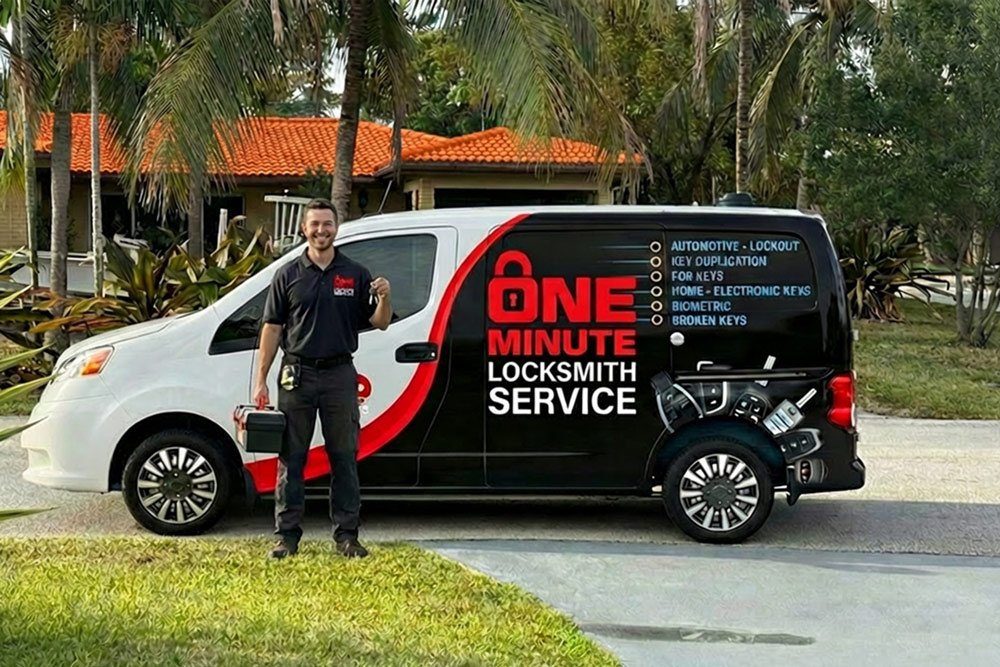
Fully equipped mobile locksmith vans allow technicians to perform most services on-site without returning to the office. This not only reduces response time but also ensures that solutions are implemented immediately.
3. Online Booking and Live Chat
Some locksmith companies allow online booking and live chat support, making it faster to request services without waiting on hold. This streamlined communication can reduce overall response times.
4. Route Optimization Software
Locksmiths increasingly use software to optimize driving routes, accounting for traffic conditions and road closures, ensuring the fastest possible arrival.
What to Expect When a Locksmith Arrives
Understanding the process can help you make the most of a locksmith’s prompt arrival:
-
Verification: A professional locksmith will verify your identity and ownership of the property before starting any work.
-
Assessment: They will assess the situation to determine the best approach, whether it’s opening a lock, repairing damage, or replacing a mechanism.
-
Execution: Using specialized tools, the locksmith performs the service efficiently and safely.
-
Payment and Advice: After service, you receive a bill and often practical tips to prevent future lock issues.
Professional locksmiths are trained to minimize damage and work quickly, which enhances the overall effectiveness of a fast response.
Emergency Situations and Locksmith Response Time
Certain scenarios highlight why locksmith response time is so critical:
1. Locked Out of Your Home at Night
Being locked out late at night is not only inconvenient but can be unsafe. A fast locksmith response time reduces exposure to potential threats while ensuring you regain access quickly.
2. Vehicle Lockouts in Remote Areas
Stranded on the side of the road? Time is of the essence. Emergency automotive locksmiths aim to reach you within 20–40 minutes to get you back on the road.
3. Commercial Security Failures
Businesses rely on secure access. A broken lock or malfunctioning security system can halt operations. Quick response prevents losses and restores safety.
4. Lost or Stolen Keys
If your keys are lost or stolen, acting fast is crucial to prevent unauthorized access. A locksmith’s prompt arrival ensures locks can be changed or rekeyed immediately.
Factors That May Slow Locksmith Response Time
Even with a reputable locksmith, some circumstances can delay arrival:
-
Extreme weather conditions such as heavy rain, snow, or storms
-
High traffic congestion
-
Peak demand periods, such as weekends or holidays
-
Large-scale emergencies affecting multiple customers simultaneously
Being aware of these factors can help you plan accordingly and maintain realistic expectations.
Comparing Locksmith Response Times by Service Type
| Service Type | Typical Response Time | Notes |
|---|---|---|
| Residential Lockout | 15–30 min | Fastest response in emergencies |
| Automotive Lockout | 20–40 min | May vary with vehicle type |
| Commercial Lockout | 30–60 min | Larger properties may take longer |
| Lock Replacement | 30–60 min | Depends on lock complexity |
| Security System Repair | 45–90 min | Specialized equipment may be required |
Choosing a Locksmith with the Best Response Time
When selecting a locksmith, consider these key points:
-
Local presence: Prioritize locksmiths near your home or business.
-
24/7 availability: Emergencies can happen anytime.
-
Customer reviews: Consistent positive feedback is a good indicator of fast response.
-
Transparent communication: The locksmith should provide a clear estimated arrival time.
-
Equipped technicians: Technicians with fully stocked vans can complete services on-site, reducing the need for multiple trips.
Cost vs. Speed: Is Faster Always More Expensive?
Many people wonder if a faster locksmith response time comes with a higher price. The answer varies:
-
Some locksmiths charge extra for late-night or emergency services.
-
Others include rapid response as part of their standard service, especially if they operate locally.
-
It’s essential to confirm rates upfront and understand any potential additional fees to avoid surprises.
While speed can come at a premium, the benefits of quick access and enhanced safety often outweigh the extra cost.
Tips for Minimizing Future Lockouts
Preventing emergencies altogether is ideal. Here are tips to reduce the likelihood of needing an urgent locksmith:
-
Duplicate Keys: Keep spare keys in secure locations.
-
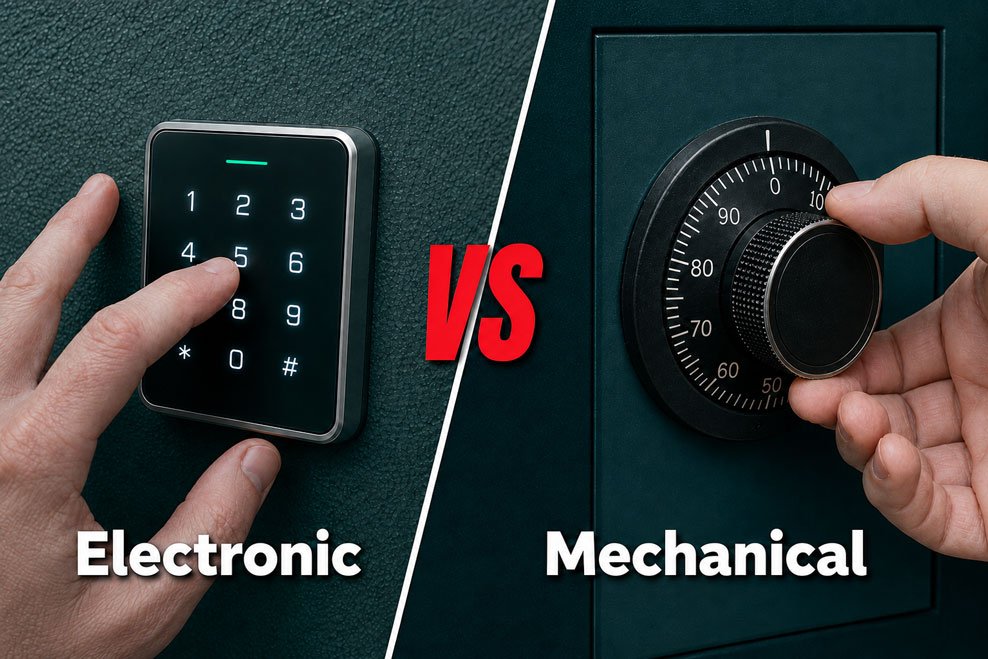
Smart Locks: Consider keyless entry systems that allow access via codes or smartphones.
-
Regular Lock Maintenance: Lubricate and check locks periodically to prevent jamming or failure.
-
Emergency Contacts: Maintain contact info for a trusted locksmith to avoid delays during urgent situations.
These preventive measures can reduce dependence on emergency response and improve overall security.
The Role of Professionalism in Locksmith Response Time
Speed alone isn’t enough. A professional locksmith balances fast response with quality work:
-
Trained technicians: Experts handle locks without causing damage.
-
Proper equipment: Fully stocked vans allow immediate solutions.
-
Transparent communication: Clear explanation of costs and procedures.
Choosing a professional locksmith ensures that the fast response time doesn’t compromise quality.
Conclusion
Your time is valuable, and emergencies can arise when you least expect them. Locksmith response time is more than just a number; it reflects the company’s reliability, professionalism, and commitment to customer safety. By choosing a local, 24/7, and well-equipped locksmith, you ensure rapid, effective assistance during lockouts, lost keys, or security emergencies.
Remember, preparation is just as important as speed. Keep contact information handy, consider preventive measures like duplicate keys or smart locks, and select a locksmith known for both prompt response and quality service. When you need dependable, rapid service from a team that understands urgency, One Minute Locksmith delivers prompt response times, skilled workmanship, and reliable solutions when you need them most. With the right choices, you’ll never have to wait long when you need help most.